
Real example · Automation & AI agents
Ported a 1993 Amiga game to Godot with Claude Code

What they did
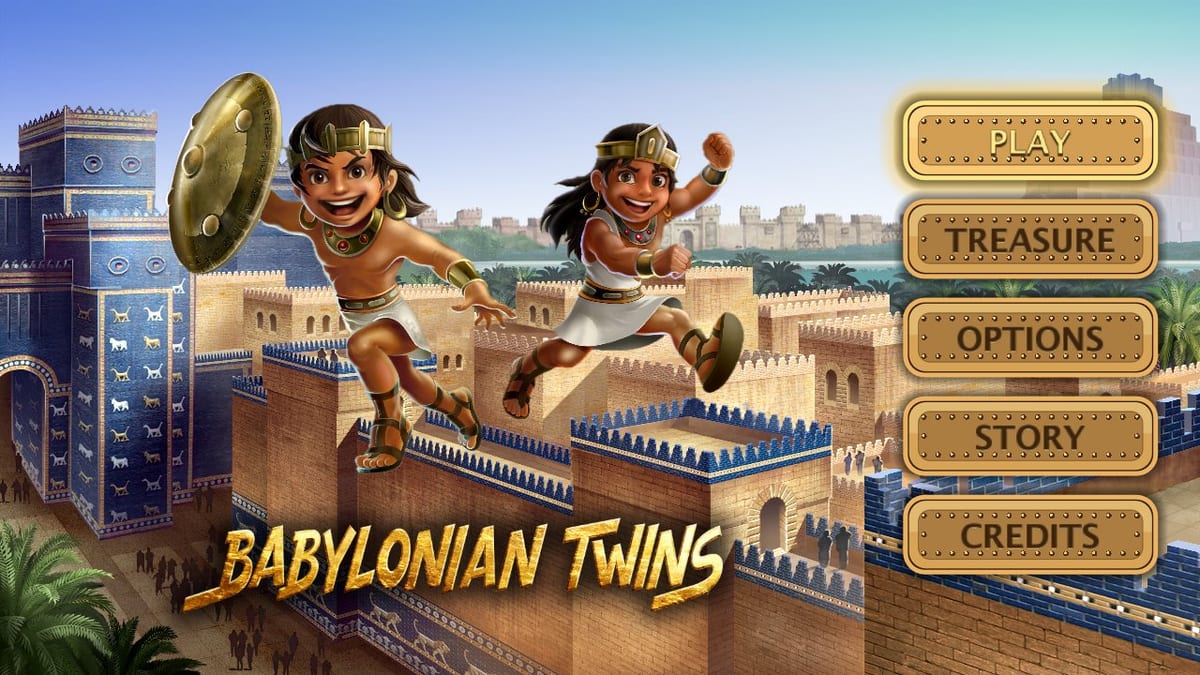
Rabah Shihab, who made Babylonian Twins in Baghdad in 1993, asked Claude Code to port his 2010 C++ engine to Godot 4, rebuild the original 68000 assembly game, and ship the original as a second launch option in the Steam version.
How it went
The core engine port took about four hours, followed by three days of tuning how the game feels. The first rebuild of 72,758 lines of assembly took about 15 minutes, and all five levels matched the originals pixel for pixel apart from two effects he accounted for.
Worth knowing
Human checks mattered: dialect differences between assemblers, a 944-byte data shift, a missing sky gradient that only a pixel diff caught, and an enemy hitting through rock that playtesting found. He handled Steam logins and publishing himself and edited the AI's blog draft for a week.
Try it yourself with Claude Code
Replace anything in [brackets] with your details.
Read the source in [path] and explain its structure before you change anything. Goal: port [component] to [target engine or language].
Work in small steps. After each step, build it and run a check that compares behaviour with the original (for example screenshots or output diffs). Keep a list of anything you could not verify, and stop before any step that publishes, deletes or needs my login.
Read the original
Porting my 1993 Amiga game to Godot, with an LLM reading the 68000 assembly ↗
babyloniantwins.com · · Personal post
Attributed to the source linked below; not our own test.
Share Share on X Share on WhatsApp